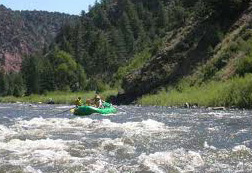
 According to the National Weather Service and the US Geologic Survey, high water levels in Colorado rivers are falling back toward normal levels, as flood waters have crested and more moderate temperatures have led to a more stable, normalized release of snow melt across the state. This stabilized melting should continue into July, as Colorado rivers and streams generally remain at above-average levels within a normal range. Late spring snowstorms resulting in an average snow pack of 247% of normal levels have generated concern over the possibility of flooding in many Colorado rivers, and had authorities bracing themselves across the state. These concerns now appear to have diminished, although flooding remains a risk in some areas.
The rivers with the highest risk of flooding remain those in northwestern Colorado, including the Elk and the Yampa near Steamboat Springs, as well as the Cache la Poudre near Fort Collins. Those at the lowest risk include rivers in southern and central Colorado such as the Arkansas River and its tributaries, which can expect average to slightly above average water levels. Water levels on the Colorado River have dropped in recent days, lowering the risk of flooding. Readings at the Cameo station dropped from a high of nearly 30,000 cfs early last week to 25,500 cfs this morning (June 14th).
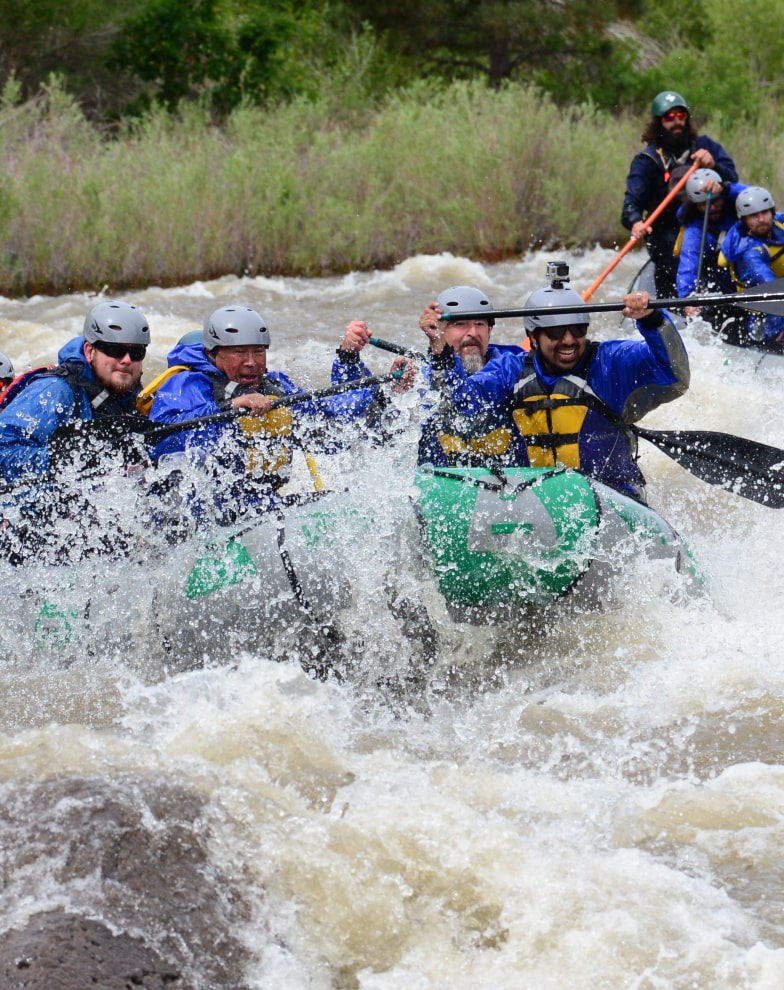
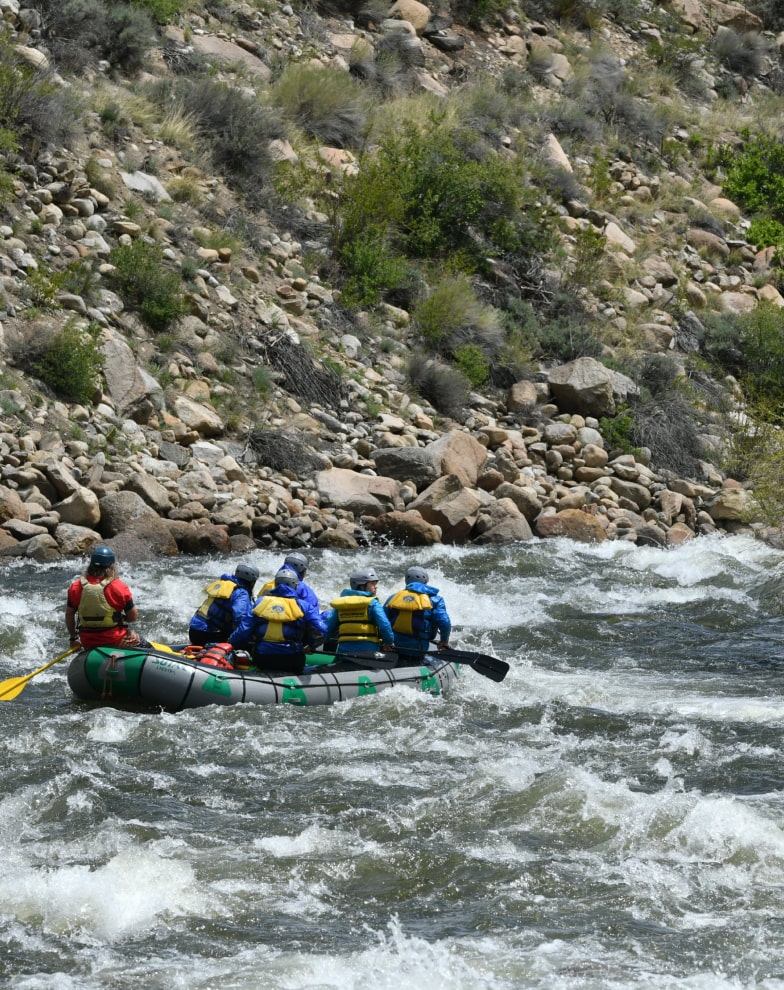
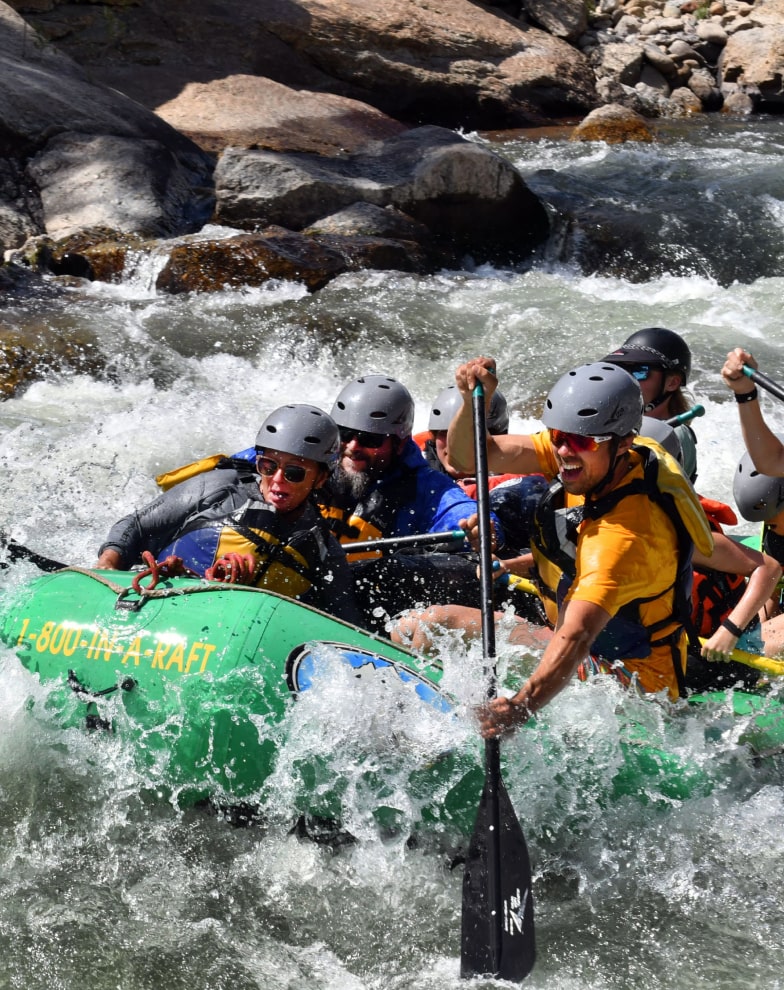
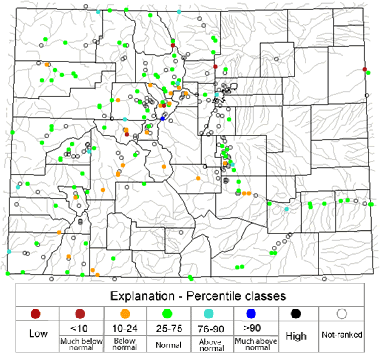 Overall, cooler temperatures during the late spring and summer have curtailed expectations of higher flows created by a series of late-spring snowstorms in Colorado. Forecasters now expect a more mild, sustained snowmelt continuing through mid-summer, reducing the risk of flooding and creating great conditions for white water rafting in Colorado.
Ideal White Water Rafting Conditions
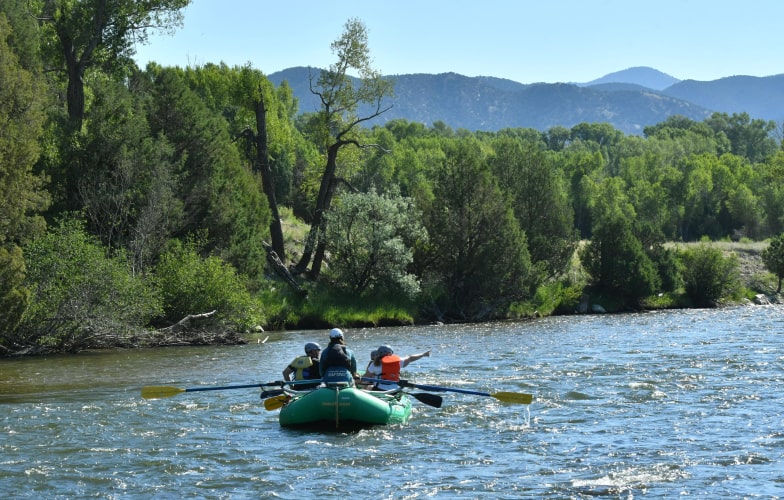
The combination of high spring snowfall amounts across the state, and cooler weather during the snow melt season resulting in a moderate snow melt rate forecasted to continue over an extended period of time have created the likelihood of a near perfect river-rafting season throughout Colorado. Rivers throughout Colorado, including the Arkansas River, Colorado River, Animas River, Gunnison River, North Platte River, and the Dolores River are open and are looking forward to sustained excellent river rafting conditions. And while a slight risk of further high water flows remains through June, when localized flows spike to high levels that are of concern to rafters, rafting companies are able to move trips to less turbulent sections of most Colorado rivers to match the level of skill and risk that their customers are able to enjoy.
As of this morning, the US Geologic Survey was showing the water levels on the Upper Colorado River near Kremmling at 7,570 cfs, and 15,600 cfs at Dotsero, the Arkansas River just below Buena Vista at 3,170 cfs, the Gunnison River near Gunnison at 4,090 cfs, the North Platte River near Northgate at 4,270 cfs, and the Dolores River near Dolores at 1,560 cfs. View here for a complete list from the USGS.