Published: June 23, 2017 | Updated: February 2026
Table of Contents
On February 19, 2015, Browns Canyon officially became a National Monument, protecting 21,000 acres of Colorado wilderness for future generations. Nearly a decade later, this stretch of the Arkansas River between Buena Vista and Salida stands as one of Colorado’s greatest conservation success stories—and one of the world’s premier white water rafting destinations.
From its rugged granite cliffs to the roaring Arkansas River carving through its heart, Browns Canyon is more than just jaw-dropping scenery. It’s a nationally protected treasure that took decades of advocacy, compromise, and grassroots support to preserve. Here’s how it happened—and what monument status means for visitors today.
How Browns Canyon Became a National Monument at a Glance:
- Designated: February 19, 2015 by President Barack Obama
- Size: 21,586 acres of protected wilderness
- Location: Between Buena Vista and Salida along the Arkansas River
- Managed by: Bureau of Land Management (BLM) and U.S. Forest Service
- Best known for: World-class white water rafting, hiking, fishing, and wildlife viewing
A Wild Canyon Worth Protecting
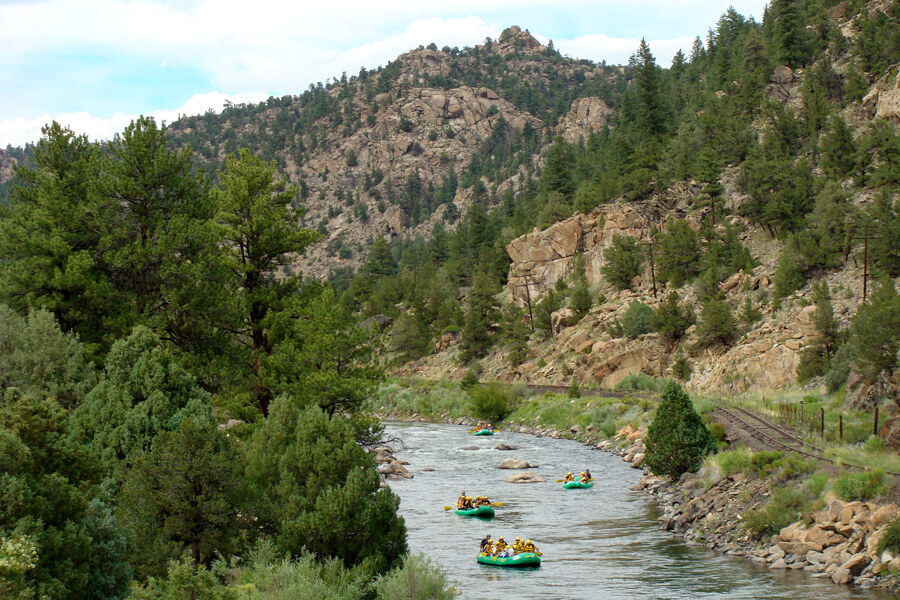
Located between Buena Vista and Salida, Browns Canyon has long been beloved by hikers, anglers, rafters, and wildlife watchers alike. Its dramatic topography—sculpted by glaciers, volcanic activity, and the ever-powerful Arkansas River—makes it one of the most visually striking and ecologically diverse canyons in Colorado.
But for years, Browns Canyon lacked federal protection, leaving its delicate ecosystem vulnerable to development, overuse, and resource extraction. As outdoor recreation in Colorado exploded, so did the pressure to preserve this untamed pocket of wilderness for future generations.
The Long Road to Monument Status
Efforts to protect Browns Canyon stretch back to the 1970s. Conservation groups, local businesses, and outdoor enthusiasts spent decades pushing for stronger protections. It wasn’t easy. Multiple proposals for wilderness or monument designations stalled in Congress due to political gridlock, competing land-use interests, and resistance from extractive industries.
But the tide began to turn in the early 2000s when growing bipartisan support from local leaders, guides, outfitters, and residents pushed the cause forward. These weren’t just environmentalists—they were Coloradans who relied on Browns Canyon for jobs, outdoor adventure, and quality of life.

Monument Designation by Presidential Proclamation
On February 19, 2015, President Barack Obama officially designated Browns Canyon National Monument via the Antiquities Act. The move protected over 21,000 acres of public lands, ensuring Browns Canyon would remain a haven for hiking, rafting, fishing, camping, and wildlife for generations to come.
“It’s not surprising that Coloradans have long felt a special connection to Browns Canyon,” Obama said during the announcement. “Today we’re going to protect this outdoor treasure for future generations.”
- President Barack Obama
What Monument Status Means
So what exactly does “National Monument” mean? Unlike National Parks, which are managed by the National Park Service, Browns Canyon is jointly managed by the Bureau of Land Management (BLM) and the U.S. Forest Service.
Monument designation:
- Preserves the land from new mining, drilling, or commercial development
- Ensures continued access for recreation, including hiking, camping, fishing, and boating
- Protects wildlife habitats, water quality, and archaeological resources
10 Years of Protection: Browns Canyon Today
Nearly a decade after its designation, Browns Canyon National Monument has proven that conservation and recreation can thrive together.
The monument draws over 100,000 visitors annually, making it one of Colorado’s most beloved outdoor destinations while maintaining the pristine wilderness character that made it worth protecting in the first place.
What's Changed Since 2015?
The monument designation brought tangible improvements to visitor experience and land management. The BLM and Forest Service have worked together to enhance trail systems, improve signage, and manage increasing visitation without compromising the canyon’s wild character. Access points have been better marked, and educational materials help visitors understand the area’s ecological and cultural significance.
Local economies in Buena Vista and Salida have flourished (learn more about visiting Buena Vista) alongside the protected landscape. Buena Visa rafting outfitters, guides, hotels, and restaurants have seen sustained growth as Browns Canyon’s reputation as a world-class destination has spread. The monument designation didn’t limit recreation—it ensured it could continue indefinitely.
Ongoing Conservation Wins
The protected status has successfully prevented mining claims, commercial development, and resource extraction that would have fundamentally altered the canyon. Wildlife populations, including bighorn sheep, elk, and golden eagles, continue to thrive in undisturbed habitat. The Arkansas River’s water quality remains exceptional, supporting healthy fish populations and exceptional rafting conditions.
Perhaps most importantly, Browns Canyon serves as a model for how local advocacy can achieve lasting conservation outcomes. The coalition of rafting companies, conservation groups, hunters, anglers, and community members who fought for protection continues to steward the monument through volunteer efforts and ongoing engagement with land managers.
Experience the Monument by River
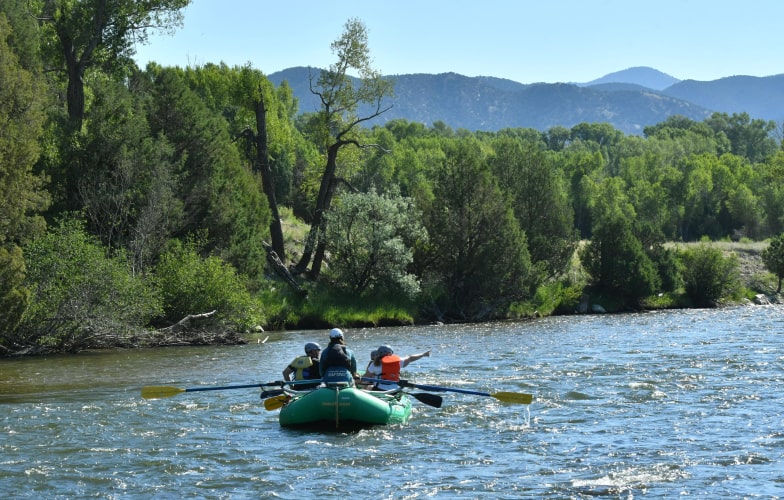
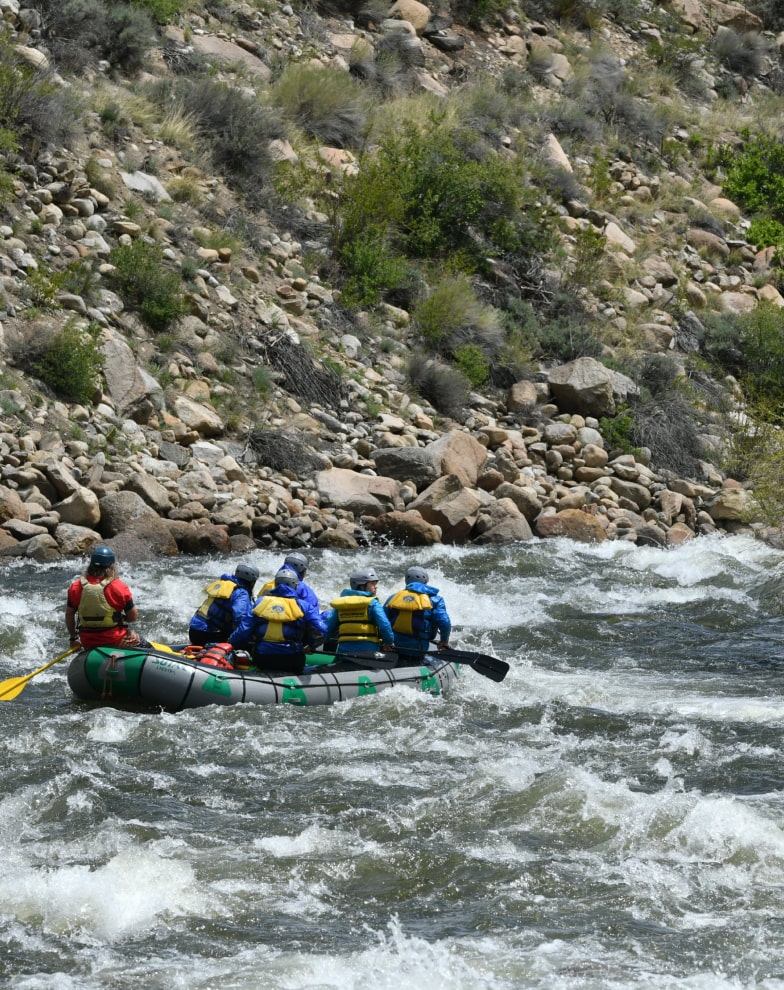
The Arkansas River cuts right through the heart of Browns Canyon creating the thrilling Browns Canyon rapids like Pinball, Zoom Flume, Big Drop, and Widow-maker—perfect for families and first-timers, or step up to our advanced Numbers rafting section for Class IV-V thrills.
👉 Ready to raft through Browns Canyon? Check out our guided rafting trips!
Whether you’re navigating the Class III rapids or simply drifting through a calm stretch, it’s an unforgettable way to experience the landscape that so many fought to protect.
Why It Still Matters Today
In the years since its designation, Browns Canyon has become a shining example of how local advocacy and outdoor recreation can lead to meaningful land protection. As interest in outdoor spaces grows, Browns Canyon serves as a model for balancing conservation with access.
Protecting public lands isn’t just about saving trees and rivers—it’s about protecting culture, community, and our connection to nature.
FAQs About Browns Canyon's Monument Status
When did Browns Canyon become a National Monument?
President Obama designated it a National Monument on February 19, 2015.
Why was Browns Canyon protected?
To preserve its natural beauty, ecological significance, and recreational value from development and overuse.
Who manages the monument?
Browns Canyon National Monument is managed jointly by the BLM and U.S. Forest Service.
Can you still raft through the canyon?
Absolutely! Rafting is one of the most popular—and exhilarating—ways to explore the monument. Learn more here.
Want to Visit?
For travel tips, hiking routes, and where to go in Browns Canyon, check out our detailed area guide to Browns Canyon National Monument. We look forward to seeing you on a Browns Canyon white water rafting trip sometime soon!