
Updated April 2026
Sustainability is becoming an increasingly important part of how people choose to travel and recreate. For many, that includes thinking about the environmental impact of outdoor adventures like whitewater rafting.
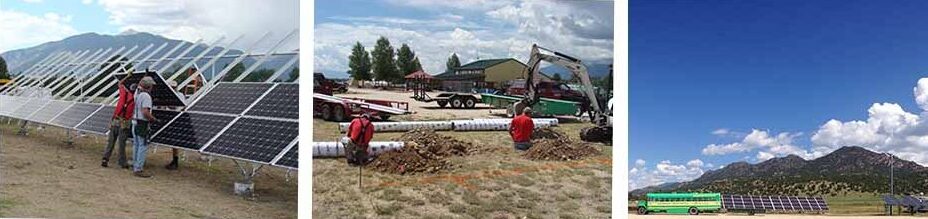
In the Arkansas River Valley, Wilderness Aware Rafting has taken a more direct approach by investing in a solar-powered headquarters that supports its operations with 100% renewable energy. It is a step that connects the experience on the river with the long-term health of the place itself.
A Solar-Powered Headquarters
At the center of this effort is Wilderness Aware Rafting’s 17-acre headquarters, where a dedicated solar energy system powers daily operations.
With around 300 days of sunshine each year in Colorado, the location is well suited for solar energy production. That consistent sunlight allows the system to generate electricity used for office functions, reservations, and facility needs throughout the season.
By producing power on-site, the headquarters reduces reliance on traditional energy sources and supports a lower-impact operation overall.

What 100% Renewable Energy Means Here
In this case, 100% renewable energy means that the electricity used to operate the business is matched by energy produced from renewable sources, primarily solar.
For a rafting outfitter, energy use is not always visible. Booking systems, communications, and logistics all require power. Transitioning those systems to a solar-powered headquarters reduces reliance on fossil fuels without changing the experience on the river.
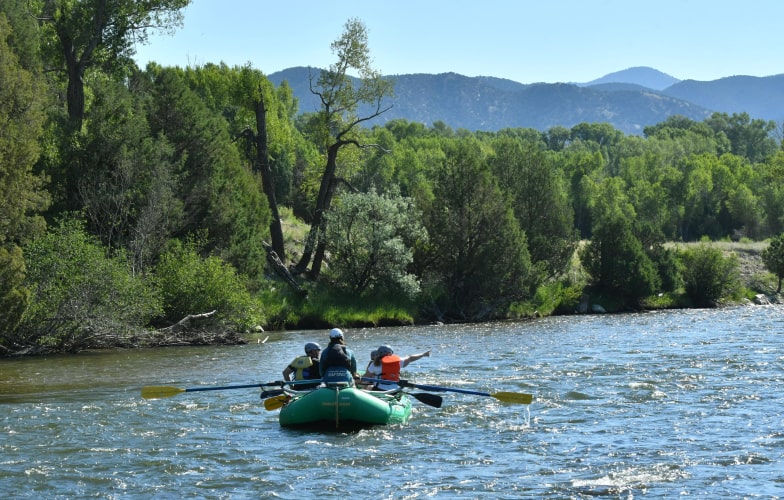
We strive to protect places like Browns Canyon National Monument and help preserve the natural character of the Arkansas River, from its wildlife habitat to the quality of the rafting and fishing experience.
10 Easy Ways You Can Help the Environment
Here is a list of 10 easy ways you and our team can have a direct impact on helping our environment:
- Bring your own mug or tumbler
We all have a mug or two at home, and many coffee shops offer discounts for customers who bring their own containers. - Unplug chargers when they are not in use
Even when they are not powering your devices, chargers continue pulling electricity. - Turn off lights when leaving a room
A simple habit that can reduce unnecessary energy use over time. - Use a reusable water bottle
Bring it with you throughout the day. It is a simple way to cut down on single-use plastics. - Pack meals in reusable containers
Replacing disposable bags with reusable containers helps reduce waste. - Start composting
Food scraps can provide valuable nutrients to soil instead of ending up in a landfill. - Shop local
Produce often travels long distances before reaching your plate. Buying local helps reduce transportation-related emissions. - Plant a tree
Trees absorb carbon dioxide over their lifespan and contribute to healthier ecosystems. - Recycle clothing and gear
Reusing items keeps them out of landfills. At Wilderness Aware Rafting, gently used whitewater gear is sometimes available, offering another way to extend the life of equipment. - Spend time outside
Activities like whitewater rafting offer a chance to disconnect from electronics and reconnect with the natural environment, reinforcing why these efforts matter.

A Broader Approach to the Outdoors
Sustainability in outdoor recreation often comes down to small decisions made consistently over time. Energy use is one part of that, alongside how people interact with natural spaces.
Visitors to the Arkansas River often spend extended time in the area, creating more opportunities to engage responsibly with the environment.
Planning a Trip to the Arkansas River Valley
If you are planning a trip to the Arkansas River, there are a variety of ways to experience it depending on your timing and comfort level. From shorter trips to full-day and multi-day options, it is easy to find something that fits.
If you have questions or are not sure where to start, we are always happy to help point you in the right direction.